Clair Obscur: Expedition 33 — Why This Turn-Based RPG Became One of the Most Discussed New PC Releases
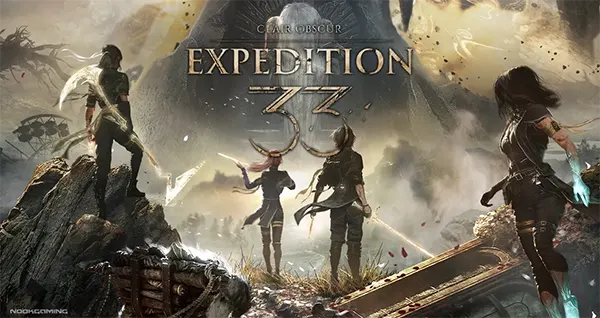
Clair Obscur: Expedition 33 quickly moved from an obscure announcement to one of the most talked-about RPGs on PC in 2026. Built by Sandfall Interactive and powered by Unreal Engine 5, the project attracted attention not only for its visual style but also for its unusual take on turn-based combat. In a market saturated with action-heavy role-playing games, this title managed to stand out through a careful blend of classic mechanics and modern presentation.
A distinctive artistic identity that set expectations early
One of the main reasons the game generated early discussion lies in its visual direction. Inspired by Belle Époque aesthetics mixed with surreal elements, Clair Obscur avoids the typical medieval or sci-fi templates. Instead, environments feel painterly and slightly unsettling, reinforcing the narrative theme of a world shaped by a mysterious force known as the Paintress.
Unreal Engine 5 plays a significant role in delivering this identity. High-fidelity lighting, detailed character models, and carefully constructed environments give the impression of a cinematic production rather than a traditional turn-based RPG. This visual quality helped the game gain traction on social media and gaming forums even before detailed gameplay footage was released.
Equally important is how the art direction supports storytelling. The world design is not decorative; it communicates tone, tension, and stakes. Locations feel curated to reflect narrative beats, which has become a key expectation among modern RPG players who value cohesion between gameplay and story.
How visual design influences player engagement
Visual identity is no longer just about aesthetics—it directly affects how players perceive pacing and immersion. In Clair Obscur, the contrast between calm exploration areas and visually intense battle sequences creates a rhythm that keeps engagement high without overwhelming the player.
Character animations and facial expressions also contribute to emotional clarity. Subtle details, such as eye movement or posture during dialogue scenes, reinforce character motivations without relying heavily on exposition. This approach aligns with current trends in narrative-driven games where “show, don’t tell” has become the standard.
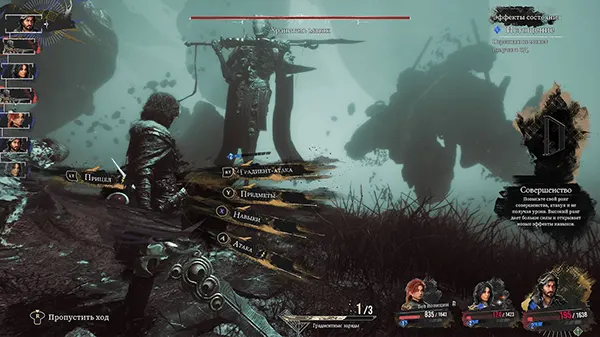
Finally, the interface design avoids clutter. Menus are integrated into the overall artistic theme, ensuring that even mechanical interactions feel part of the world. This attention to detail is often overlooked but plays a critical role in long-term player retention.
A modern reinterpretation of turn-based combat
At its core, Clair Obscur remains a turn-based RPG, but it introduces real-time elements that reshape how battles unfold. Players are not limited to selecting commands; timing-based inputs, dodges, and counters add a layer of interactivity typically associated with action games.
This hybrid system addresses a long-standing criticism of turn-based combat—that it can feel passive. By requiring player input during enemy attacks and skill execution, the game maintains tension throughout encounters. As a result, battles feel dynamic rather than procedural.
Another notable feature is the strategic depth tied to character abilities. Each party member has a distinct role, and success depends on understanding synergy rather than simply increasing stats. This design encourages experimentation and reduces reliance on repetitive tactics.
Why hybrid combat systems resonate with modern players
The shift towards hybrid combat reflects broader changes in player expectations. Modern audiences often seek engagement on multiple levels—strategic planning combined with moment-to-moment interaction. Clair Obscur meets this demand without abandoning the core identity of turn-based gameplay.
Timing mechanics, in particular, create a sense of agency. Successfully dodging or enhancing an attack through precise input provides immediate feedback, making each decision feel impactful. This is especially important in longer RPG sessions where maintaining attention can be challenging.
Additionally, the system lowers the barrier for newcomers. Players unfamiliar with traditional turn-based mechanics can rely on reflex-based elements while gradually learning deeper strategic layers. This balance broadens the game’s appeal beyond niche RPG audiences.
Narrative structure and thematic depth
The story of Expedition 33 revolves around a cyclical event where individuals of a certain age are erased each year. This premise introduces a clear sense of urgency while allowing the narrative to explore themes such as mortality, legacy, and resistance against inevitability.
Unlike many RPGs that rely on expansive but loosely connected storylines, Clair Obscur focuses on a defined group of characters. This narrower scope allows for more detailed character development and stronger emotional arcs. Dialogue is structured to reveal personality traits gradually rather than through exposition-heavy scenes.
The pacing of the narrative also contributes to its impact. Key revelations are spaced carefully, ensuring that players remain invested without feeling overwhelmed by constant plot twists. This measured approach reflects a growing trend in storytelling where quality takes precedence over sheer quantity.
The role of character-driven storytelling in RPG success
Character-focused narratives have become a defining feature of successful RPGs in recent years. Players are more likely to engage with a story when they feel connected to the individuals within it. Clair Obscur leverages this by giving each party member a clear motivation and personal stake in the journey.
Interactions between characters are designed to feel natural rather than scripted. Conversations evolve based on story progression, creating a sense of continuity that enhances immersion. This approach aligns with modern expectations shaped by narrative-heavy titles released in the past decade.
Ultimately, the combination of a strong central premise and well-developed characters explains why the game has sparked so much discussion. It offers not just a mechanical experience but a narrative one that encourages players to reflect on its themes long after gameplay sessions end.