Avowed — what really changed in combat, progression, and quest design (an honest RPG review)
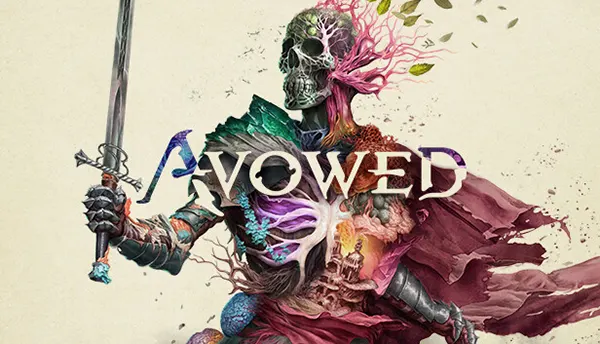
Avowed arrived as Obsidian’s first-person RPG set in the Pillars of Eternity world, launching on Xbox Series X|S and PC on 18 February 2025. By 2026 it’s a different-feeling game to the early reveals: not a total reinvention, but clearly tighter in the places that matter to moment-to-moment play. This review focuses on what actually changed in combat, levelling, and how quests are built, with the kind of details you notice after hours on a controller rather than in a trailer.
Combat: less floaty, more readable, still not perfect
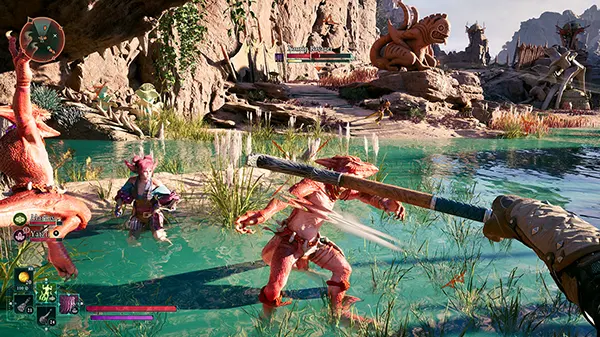
The biggest improvement you’ll feel first is feedback. Hits communicate better through animation timing, sound cues, and enemy reactions, so you’re not guessing whether your swing connected or your spell clipped a shoulder. It’s still not a pure “twitch” action game, but it no longer feels like you’re swiping through fog, which was a common complaint in earlier footage.
Build variety shows up in how you stitch tools together rather than in one overpowered option. Mixing melee with quick casts, swapping weapons for different enemy types, and using consumables at the right time matters more than raw stats. On Xbox in particular, the rhythm of blocking, dodging, and ability usage feels more consistent now, because the game is clearer about what it expects you to react to.
Where the cracks remain is enemy behaviour and encounter pacing. Some fights still lean on repetition, especially when similar enemy kits appear across zones. When the game throws layered threats at you—ranged pressure plus a bruiser plus status effects—the system clicks. When it doesn’t, you can feel the combat loop stretching for length.
Weapon and spell pairing: the real “meta” is comfort and timing
Avowed rewards players who pick a small set of tools and learn their timings. A reliable melee option for close control, a spell or ranged answer for targets you can’t safely reach, and one defensive button you trust will carry you through most of the campaign. The game is better now at signalling when aggression is safe and when it’s a trap.
Spells are most satisfying when used as setup rather than as the whole plan. Crowd control, damage-over-time, and quick utility casts let you shape space, then finish with weapon pressure. It’s a practical style that feels good on a gamepad, because you’re not constantly opening menus or fighting awkward inputs.
Difficulty settings also land in a healthier place than many action RPGs: higher difficulties ask for cleaner play, not just patience. That said, some builds scale more comfortably than others, and the game can feel sharper if you avoid stacking only survivability and instead invest in a balanced kit that ends fights decisively.
Progression and build-crafting: clearer choices, fewer dead levels
In 2026 the levelling experience is easier to read. You can plan around meaningful upgrades instead of picking filler just to reach the next tier. The game pushes you to commit—at least lightly—to an identity, whether that’s weapon-first, spell-first, or hybrid, and it communicates the trade-offs more plainly than the early previews suggested.
Progression is also tied more sensibly to how you actually play. If you like aggressive close-range pressure, you can build around that without feeling punished for not leaning into pure magic. If you prefer cautious exploration and ranged control, the game supports it, but it expects you to manage positioning and resources rather than face-tank everything.
The weaker side of the system is that some synergies still arrive late, so early hours can feel more restrained than the game’s best moments. Once your build has a couple of reliable interactions—an opener, a finisher, and a survival tool—the whole loop becomes more expressive and more “Obsidian” in spirit.
Companions and party role coverage: less about damage, more about stability
Companions matter most when you treat them as role coverage. A healer or shielder can smooth out mistakes, while a control-focused ally buys time for your own casts or weapon animations. The strongest party setups aren’t always the highest damage ones; they’re the ones that keep fights predictable.
Build-crafting becomes more interesting when you stop trying to do everything yourself. If your companion handles sustain, you can invest into burst. If they handle crowd control, you can specialise into single-target pressure. This is where Avowed’s progression feels better in 2026: it’s easier to assemble a coherent plan rather than a bag of unrelated perks.
One practical tip: pick a party style and stick with it long enough to feel the comp’s rhythm. Constantly swapping roles can make the game seem flatter than it is, because your build never gets to “settle” into the interactions it was meant to use.
Quest construction: more consistent outcomes, stronger reactivity, better pacing
Quest design is where Avowed most clearly separates itself from generic action RPG structure. By 2026 the game’s best quests do a good job of presenting choices that aren’t cosmetic: you’re often trading one faction’s stability for another’s, choosing which problem becomes tomorrow’s crisis. The writing leans into consequences without forcing you into cartoon morality.
Pacing is also improved by how zones are structured. Instead of dragging you through one endless corridor of objectives, the game tends to break content into chunks that feel like a proper “chapter” of exploration, conflict, and decision-making. That makes it easier to play in sessions on Xbox without feeling like you need a whole evening to reach a stopping point.
The honest downside is that not every branch feels equally supported. Some outcomes are clearly more developed than others, and you’ll occasionally notice the seams where different routes fold back into the same spine. Still, compared with what early footage implied, the final shape of the quests is more confident and more consistent.
Side quests, factions, and choice follow-through: where the game earns trust
Side quests are strongest when they connect back to larger tensions rather than existing as isolated errands. The good ones teach you how a region works, why a faction is behaving the way it is, and what your presence changes. When a quest does that, even a small decision feels weighty.
Factions are written with enough internal logic that you can disagree with them without writing them off as villains. That’s important, because Avowed’s choices often sit in the grey: you’re rarely picking “good” versus “bad”, you’re picking which risk you can live with. In practice, it leads to more memorable playthroughs and encourages replaying with a different role-playing stance.
By the 2026 anniversary update, the game is also broader in how you can inhabit the world, including added character options and more replay-friendly features like New Game+. If you bounced off early impressions, the current version is worth reassessing—just keep expectations grounded: it’s a tighter, clearer RPG now, not a radically different genre.