Final Fantasy VII Remake arrives on Xbox Series X|S
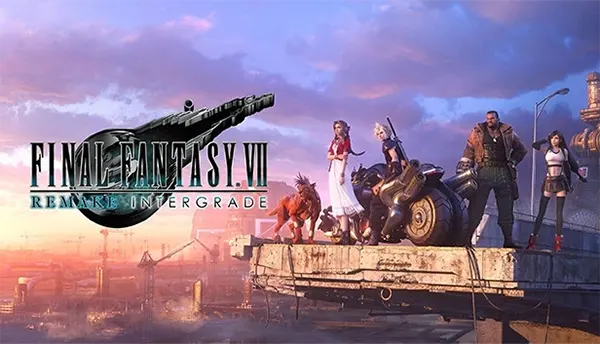
After several years of exclusivity on other consoles, Final Fantasy VII Remake has officially reached Xbox Series X and Series S. For Xbox players, this release is more than a simple port: it represents access to one of the most influential role-playing games ever reimagined with modern technology. The Xbox version brings performance optimisations, visual refinements and full controller integration designed specifically for Microsoft’s current-generation hardware.
What Final Fantasy VII Remake means for Xbox players
For the Xbox audience, Final Fantasy VII Remake fills a long-standing gap in the console’s role-playing catalogue. The original 1997 release shaped narrative-driven JRPGs for decades, and its remake retains that narrative weight while modernising combat, pacing and presentation. Xbox Series X|S owners now experience the Midgar storyline with the same depth and production values previously limited to other systems.
The arrival on Xbox also signals a broader shift in Square Enix’s release strategy. By expanding availability, the publisher acknowledges the demand for Japanese role-playing games within the Xbox ecosystem. This move strengthens Xbox’s position for players who prioritise story-rich, single-player titles alongside multiplayer and service-based games.
From a technical perspective, the Xbox version benefits from current hardware capabilities. Fast loading times, stable frame rates and refined lighting contribute to a smoother experience, particularly during combat-heavy sequences and cinematic transitions.
Differences between the Xbox and earlier console versions
While the core content remains identical, the Xbox Series X edition offers native 4K resolution support and improved texture filtering. These enhancements are especially noticeable in urban environments, where steel structures, neon lighting and character models appear sharper and more detailed.
Xbox Series S players receive a balanced version optimised for performance rather than raw resolution. The game maintains visual consistency while targeting smooth gameplay, ensuring that combat remains responsive even during large-scale encounters.
Controller mapping has been adjusted to match Xbox standards, making the transition comfortable for long-time Xbox users. The interface feels natural, with no compromise in accessibility or combat precision.
Gameplay systems and combat design
Final Fantasy VII Remake replaces traditional turn-based mechanics with a hybrid combat system that blends real-time action and tactical decision-making. Players control characters directly, executing attacks in real time while pausing briefly to issue commands such as spells, abilities and item usage.
This approach allows battles to remain dynamic without losing strategic depth. Positioning, timing and character switching play a crucial role, especially during boss encounters where enemy behaviour changes across multiple phases.
Progression systems are designed to encourage experimentation. Weapon upgrades, materia combinations and skill trees provide flexibility, allowing players to adapt their party to different combat scenarios rather than relying on a single optimal setup.
Character progression and party management
Each main character features a unique combat role that reflects their narrative identity. Cloud’s balanced offence, Barret’s ranged pressure, Tifa’s speed and Aerith’s magic-focused support create meaningful distinctions during combat.
Materia remains central to progression, influencing magic, passive bonuses and special effects. The Xbox version retains full materia customisation, making loadout planning an important element before challenging encounters.
Party management is streamlined through intuitive menus. Switching characters mid-battle is quick and responsive, encouraging active use of the full party rather than focusing on a single protagonist.
Technical performance and visual presentation on Xbox Series X|S
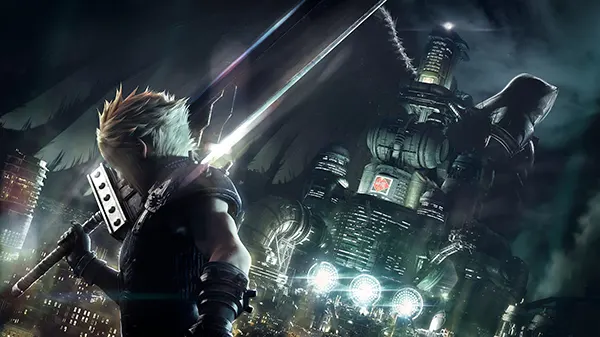
On Xbox Series X, Final Fantasy VII Remake targets high-resolution output with stable performance. Environmental detail is particularly strong in Midgar’s industrial districts, where lighting effects and shadow depth enhance atmosphere.
The game’s cinematic direction benefits from improved frame pacing. Story sequences transition smoothly into gameplay, preserving immersion during emotionally charged moments.
Audio performance is equally refined. The orchestral soundtrack maintains clarity across combat and exploration, while surround sound support enhances spatial awareness during battles.
Load times, stability and long-term play
Solid-state storage significantly reduces load times compared to earlier console generations. Fast travel between districts and reloading after combat encounters feels nearly instantaneous.
Stability across extended play sessions is consistent. The Xbox version maintains performance even during long narrative segments and repeated combat scenarios, reducing technical interruptions.
For players planning extended sessions, the overall optimisation contributes to comfort and reliability. The experience remains consistent from the opening hours to the final chapters of the Midgar arc.